7 Summer Heat Safety Mistakes Pet Owners Can Prevent
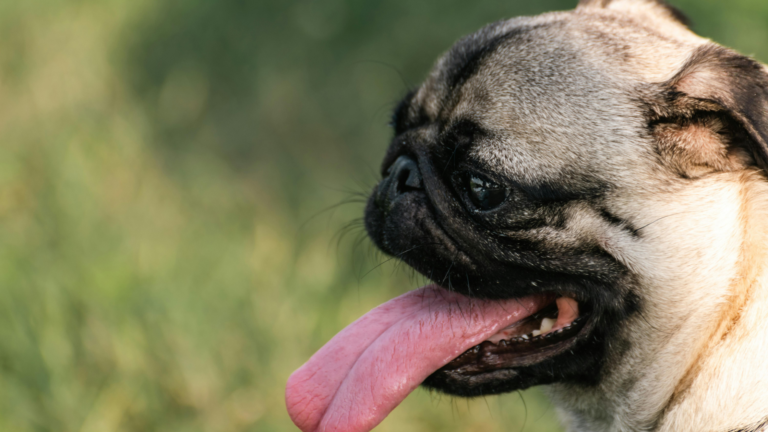
Summer often means long days, outdoor adventures, and extreme heat. While most of us remember to pack sunscreen, grab a hat, and stay hydrated when heading outdoors, protecting your pet requires a different approach. Dogs and cats can overheat much faster than people, and recognizing the risks before an emergency occurs is one of the best ways to keep them safe. Here are seven common heat safety mistakes—and how to avoid them.
Mistake #1: Walking during peak heat hours
Even if the air temperature feels manageable, humidity and direct sunlight can significantly increase your pet’s risk of overheating. During the summer months, schedule walks, play sessions, and outdoor exercise during the early morning or late evening when temperatures are cooler. On especially hot days, keep outdoor time short and take frequent breaks in the shade.
Mistake #2: Underestimating pavement temperature
Hot pavement can cause painful burns to your pet’s paws. Direct sunlight can cause asphalt, concrete, and even artificial turf to become much hotter than the surrounding air temperature. Before heading out for a walk, place the back of your hand on the pavement for at least seven seconds. If it’s too hot for your skin, it’s too hot for your pet’s paws. When possible, choose grassy areas or shaded walking paths and consider protective booties if your pet must walk on hot surfaces.
Mistake #3: Assuming water alone prevents overheating
Some pet owners assume that as long as their pet has access to water, the pet is protected from heat-related illness. While hydration is important, water alone can’t prevent overheating. In addition to providing fresh, cool water, ensure your pet has access to adequate shade and other cooling resources on hot days. Cooling mats, cooling vests, fans, and air-conditioned spaces can help pets regulate their body temperature more effectively. It’s also critical to maintain proper grooming of thicker, long-coated breeds.
Mistake #4: Leaving pets in parked cars
Even on a relatively mild day, the temperature inside a vehicle can climb rapidly and become deadly. Cracking a window or parking in the shade often isn’t enough to keep the vehicle’s interior at a safe temperature. Unlike humans, dogs and cats have a limited ability to cool themselves and can quickly develop heat exhaustion or heatstroke when trapped in a hot car. If your pet can’t accompany you inside, the safest option is to leave them at home in a cool, climate-controlled environment.
Mistake #5: Not recognizing which pets are more vulnerable
Not all pets are equally equipped to handle hot weather. While any pet can suffer from heat-related illness, certain animals face a significantly higher risk than others. Pets who are more susceptible to overheating include:
- Brachycephalic, or “flat-faced,” breeds (bulldogs, pugs, French bulldogs, Persian cats)
- Senior pets
- Overweight pets
- Thick-coated breeds
- Pets with a heart or respiratory condition
Owners of these pets should take extra precautions during periods of extreme heat, including monitoring closely for signs of heat stress.
Mistake #6: Ignoring early warning signs of heatstroke
Heat-related illness can occur despite a pet owner’s best efforts. Recognizing the early warning signs of heatstroke can make a significant difference in your pet’s outcome. Signs that shouldn’t be ignored include:
- Excessive panting
- Drooling
- Bright red gums
- Vomiting
- Diarrhea
- Weakness
- Disorientation
If you think your pet is overheating, move them to an air-conditioned area and put them into cool (never cold) water to help lower their body temperature. As heatstroke progresses, pets can collapse, have seizures, or lose consciousness.
Mistake #7: Waiting too long to seek veterinary care
One of the most dangerous mistakes a pet owner can make is assuming a pet will recover on their own after overheating. While there are ways to help, heatstroke is a medical emergency that can cause damage to multiple organs throughout the body. Even if a pet appears to improve after cooling down, complications can develop hours later. Prompt veterinary evaluation allows medical professionals to assess your pet’s condition, provide supportive care, and address potentially life-threatening complications before they become severe. Don’t wait to see if your pet’s condition deteriorates—quick action can mean the difference between life and death.
Summer is a wonderful time to make memories with your pet. By avoiding these common heat safety mistakes and recognizing signs of trouble early, you can help keep your companion safe while still enjoying everything the season has to offer. If you suspect your pet is suffering from heat exhaustion, heatstroke, or another summer-related illness, contact our Animal Urgent Care of Bentonville team or visit us during operating hours. Our skilled team is equipped to evaluate and treat heat-related emergencies quickly and efficiently.