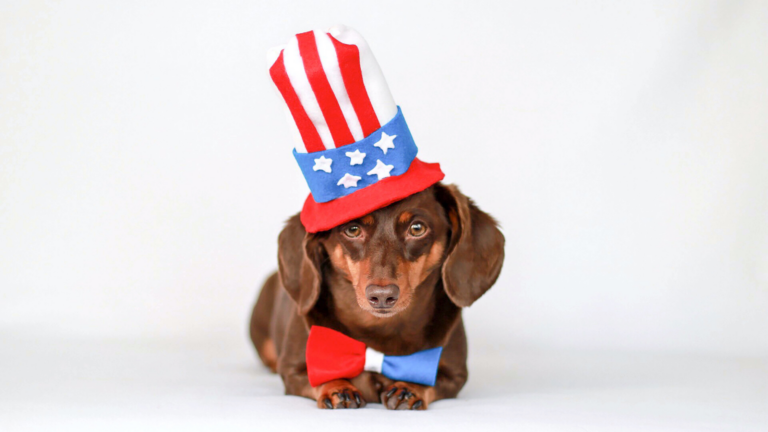
Your July Fourth plans shouldn’t include a trip to the vet. Unfortunately, this fun and festive summer holiday is one of the busiest days of the year at urgent and emergency veterinary care clinics nationwide.
Here are seven simple ways to ensure your celebrations stay safe, fun, and pet-friendly.
#1: Create a quiet, safe indoor space for your pet
July Fourth celebrations can bring noise, visitors, and lots of activity. While some pets enjoy the excitement, others find it stressful or scary. Providing your pet with a calm, safe space where they can go voluntarily or be confined during noisy times can help them feel secure—no matter what’s going on outside.
Ideas for your pet’s space include:
- Crate or pen
- Cozy bed
- Blackout curtains to block flashes of light outside
- White noise to muffle fireworks and other noise
- Positive distractions (e.g., long-lasting chews, puzzle toys, or a frozen stuffed Kong)
For best success, acclimate your pet to their calm space for a few weeks before the holiday.
#2: Keep pets inside during fireworks
Although it may be tempting to include your pet in outdoor festivities, fireworks can be unsettling for even the most confident dogs. Every year, countless pets escape their yards or leashes and go missing on July Fourth—putting them at high risk of being hit by a car, injured, or permanently lost.
During the July Fourth holiday, bring your pet indoors before sunset and don’t let them outside until the noise and excitement are over.
#3: Update your pet’s ID tags and microchip information
If the unthinkable happens and your pet goes missing, accurate contact information will be the key to their safe return. Even if you plan to keep your pet indoors on July Fourth, taking the time to check their tags and microchip registry information now can prevent unnecessary heartbreak later.
This takes only minutes, and could save their life.
- Look at your pet’s collar tags: Is the information up to date and legible?
- Fit test the collar: Are the buckles secure? Does the collar fit correctly?
- Check the chip: Make sure your pet’s microchip information is up to date, including your phone number and address. If you’re not sure how to check or register the chip, ask your veterinarian for help.
#4: Keep dangerous foods out of your pet’s reach
Many classic July Fourth favorites are harmful or toxic to pets. Keeping these items out of your pet’s reach wherever they’re found—this includes countertops, trash cans, grills, and buffet lines—is key to avoiding an emergency.
Animal Urgent Care of Bentonville’s list of top toxins and dangerous foods includes:
- Meat bones
- Alcohol
- Corn cobs
- Onions and garlic
- Chocolate
- Sugar-free foods containing xylitol
- Macadamia nuts
- Raisins and grapes
Food wrappers and utensils—including grill forks and skewers—also pose a hazard to pets. Ensure guests dispose of trash in closed bins and keep pets out of areas where food is being prepared.
#5: Keep pets away from fireworks, sparklers, and grills
Backyard and block party traditions can spell trouble for curious pets.
- Fireworks and sparklers: Pets may chew on unlit fireworks, exposing them to toxic metals and compounds. This can cause chemical burns, seizures, gastrointestinal upset, and organ damage. Pets who get too close to lit fireworks can suffer significant burns—often to the face, nose, and mouth.
- Grills or bonfires: Never allow a dog near open flames or high heat. Close contact with either can cause serious burns. Ingestion of grease or charcoal briquettes can make pets extremely sick, often requiring hospitalization.
- Pools and lakes: Pets don’t always know how to behave around water and may accidentally fall in, become fatigued, or drown. Keep your pet leashed or supervise water play closely and ensure they take frequent breaks. Life jackets provide extra support and are always recommended—even for strong swimmers.
#6: Exercise your pet early before celebrations start
Physical activity can help decrease stress and anxiety and encourage your pet to rest during evening festivities. Plan to exercise your pet in the late afternoon before fireworks begin. If it’s too hot outside, indoor games and puzzle toys can help your pet burn physical and mental energy and feel more satisfied when it’s time to retreat to their safe space.
#7: Talk to your primary veterinarian about calming strategies
If your pet is fearful of loud noises or easily stressed, now is the time to talk to your primary veterinarian. Based on your pet’s behavior and medical history, they will recommend various strategies to help your pet cope. This may include:
- Anxiety-relieving solutions (body wraps, pheromones, or soothing activities like lick mats)
- Calming supplements
- Anti-anxiety medications
- Medications for noise aversion (phobia)
Don’t wait until July 1 to contact your primary veterinary clinic. Early, proactive conversations give you time to test out different strategies and see what works best for your pet.
Accidents happen: We can help
July Fourth is infamous for freedom, fireworks, and frightening pet hazards. Fortunately, with a little preparation, close supervision, and a keen eye for potential hazards, you and your pet can enjoy a calm, safe, and fun holiday.
Despite our best intentions, pet-related accidents can and will happen. When they do, timely urgent or emergency veterinary care can provide rapid relief. If your pet is sick, injured, or has been exposed to something toxic—don’t wait; contact Animal Urgent Care of Bentonville for convenient, compassionate veterinary care.
Note: If your pet is experiencing a life-threatening emergency or needs after-hours assistance, we will refer you to one of our nearby 24/7 care partners.